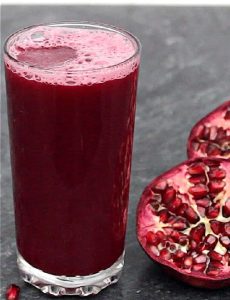
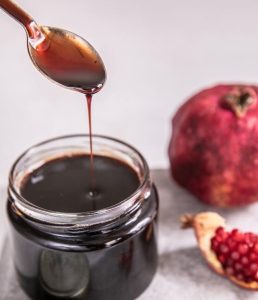
What is pomegranate concentrate?
this is known for its numerous health benefits, including:
- Rich in Antioxidants: It is packed with antioxidants, particularly punicalagins and anthocyanins, which help combat oxidative stress and inflammation.
- Heart Health: Studies suggest that this may help lower blood pressure, reduce cholesterol levels, and improve overall heart health by enhancing blood flow.
- Anti-Inflammatory Properties: The compounds in this can help reduce inflammation in the body, which is linked to various chronic diseases.
- Cancer Prevention: Some research indicates that this may help slow the growth of certain types of cancer cells, particularly prostate and breast cancers.
- Improved Memory: There is evidence to suggest that may help enhance memory and cognitive function.
- Digestive Health: Pomegranate juice can aid digestion and may have prebiotic effects, promoting a healthy gut.
- Skin Health: The antioxidants in this can contribute to healthier skin by promoting hydration and reducing signs of aging.
- Weight Management: Some studies suggest that this may help reduce appetite and promote weight loss.
It’s important to consume it in moderation, as it can be high in sugar. Always consider consulting with a healthcare professional for personalized advice.
This concentrate a thick, syrupy liquid made from the juice of pomegranates that has been reduced to concentrate its flavor and nutrients. This process involves extracting the juice from fresh that seeds and then boiling it down to remove excess water, resulting in a more intense flavor and higher concentration of antioxidants, vitamins, and minerals. This is often used in culinary applications, such as salad dressings, marinades, sauces, and beverages, as well as in health supplements for its potential health benefits, including anti-inflammatory and heart health properties.
What is pomegranate juice good for?
Certainly! Here are some additional insights into the benefits and uses of this product:
Nutritional Profile
this is not only rich in antioxidants but also contains essential nutrients:
Vitamins:
It’s a good source of vitamin C, vitamin K, and some B vitamins.
Minerals:
It contains potassium, which is important for heart health and muscle function.
Fiber:
While juicing removes much of the fiber, whole pomegranates provide dietary fiber, which aids digestion.
Specific Health Benefits
1. Heart Health:
Regular consumption of this has been associated with reduced risk factors for heart disease, including lower bad cholesterol (LDL) levels and improved arterial function.
2. Diabetes Management:
Some studies indicate that juice may help lower blood sugar levels and improve insulin sensitivity, making it beneficial for individuals with diabetes.
3. Joint Health:
The anti-inflammatory properties of this juice may help alleviate symptoms of arthritis and other joint disorders.
4.Antimicrobial Properties :
It has been shown to have antibacterial and antiviral properties, which can help in fighting infections.
5. Mood Enhancement:
Some research suggests that product may have mood-boosting benefits and can help reduce symptoms of anxiety and depression.
Culinary Uses
This is versatile in the kitchen:
Beverages:-
It can be enjoyed on its own or mixed with other juices, sparkling water, or cocktails.
Cooking and Baking:
Used in marinades, salad dressings, and sauces, it adds a unique flavor. It can also be used in desserts, like sorbets and glazes.
Garnish:
seeds (arils) are often used as a garnish for dishes due to their vibrant color and crunchy texture.
Storage and Consumption
Culinary Uses
It’s best to consume fresh pomegranate :as it retains the most nutrients. If you buy bottled juice, look for 100% juice with no added sugars or preservatives.
Shelf Life:
Freshly squeezed juice should be consumed within a few days, while commercially bottled juice often has a longer shelf life.
Moderation:
Due to its high natural sugar content, it’s advisable to consume this juice in moderation, especially for individuals managing blood sugar levels.
In summary, This is a nutrient-dense beverage with various health benefits and culinary applications. Incorporating it into your diet can support overall health, but it’s always wise to balance it with other foods and beverages.
While This offers many health benefits, there are certain individuals who may need to be cautious or avoid it:
1. People with Allergies:
Individuals with known allergies to it or related fruits should avoid that.
2. Those on Certain Medications:
This product can interact with several medications, particularly those metabolized by the liver. This includes some statins (cholesterol-lowering medications), blood pressure medications, and certain anticoagulants. If you’re on any medication, consult your healthcare provider before adding this juice to your diet.
3. Individuals with Diabetes
Although this juice may help manage blood sugar levels, it is still high in natural sugars. People with diabetes should monitor their blood sugar levels and consider moderation in their intake.
4. Those with Gastrointestinal Issues:
It juice can be acidic, which may aggravate conditions like acid reflux or gastroesophageal reflux disease (GERD) in some individuals.
5. Pregnant and Breastfeeding Women:
While it can be healthy, pregnant or breastfeeding women should consult their healthcare provider for personalized advice, as some sources suggest moderation.
6. People with Kidney Problems:
This juice is high in potassium, which can be a concern for individuals with kidney disease, as their kidneys may have difficulty filtering out excess potassium.
7 . Individuals with Low Blood Pressure
Since It can lower blood pressure, those with hypotension or those on blood pressure medications should be cautious.
As with any dietary change, it’s always advisable to consult with a healthcare professional, especially if you have underlying health conditions or are taking medication.
This is renowned for its high antioxidant content, often ranking among the top fruit juices in terms of antioxidant capacity. Here’s how it compares to some other popular fruit juices:
1.Pomegranate Juice:
Rich in antioxidants such as punicalagins and anthocyanins ,It has a very high ORAC (Oxygen Radical Absorbance Capacity) score, which measures its ability to neutralize free radicals.
2. Blueberry Juice:
Blueberries are also known for their high antioxidant levels, primarily anthocyanins. Blueberry juice has a good ORAC score, but it generally falls slightly below that of this product.
3. Cranberry Juice:
Cranberry juice is another antioxidant-rich option, particularly beneficial for urinary tract health. However, its ORAC score is typically lower than that of this fruit.
4. Grape Juice:
Red and purple grape juices contain resveratrol and other antioxidants. While they are beneficial, their antioxidant levels are generally lower than those found in this product.
5. Orange Juice:
While orange juice is a good source of vitamin C and contains some antioxidants, its overall antioxidant capacity is lower than that of pomegranate, blueberry, and cranberry juices.
6.Apple Juice:
This is contains antioxidants like quercetin but has a much lower ORAC score compared to pomegranate juice.
In summary, This juice stands out as one of the most potent sources of antioxidants among fruit juices. Its unique combination of antioxidants contributes to its health benefits, making it a popular choice for those looking to enhance their antioxidant intake.
Buy from the best price:
Therefore, PTN company is one of the suppliers of all kinds of fruit concentrates that can meet your needs quickly
In general, prices may vary depending on the type and conditions of purchase, and it is better to contact the sellers for more detailed information.