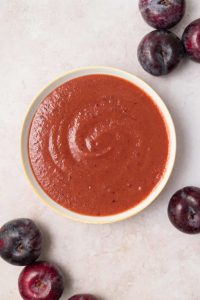
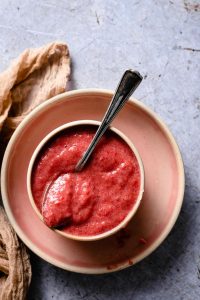
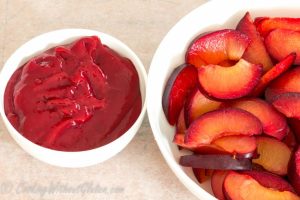
How It’s Made:
- Selecting Plums: Choose ripe red plums, as they provide the best sweetness and flavor.
- Preparation: Wash, pit, and chop the plums.
- Cooking: Simmer the chopped plums with a bit of water and optionally sugar or a sweetener until they soften and release their juices.
- Blending/Straining: Blend the cooked mixture until smooth or strain it for a finer purée.
- Cooling: Allow it to cool, then use immediately or store in the fridge/freezer for later.
Uses:
- Desserts: As a base for sorbets, pies, or cake fillings.
- Sauces: In savory dishes like roasted meats or duck.
- Drinks: Added to cocktails or smoothies.
- Condiments: Spread on toast or stirred into yogurt.
The purée’s tartness can vary depending on the plums’ natural sweetness, so adjustments with sugar or other sweeteners are common.
What are the benefits of red plums?
Red plums are not only delicious but also packed with nutrients and health benefits. Here’s an overview of their key benefits:
1. Rich in Nutrients
- Vitamins: High in vitamin C, which supports immune health and skin repair.
- Minerals: Contains potassium, which helps regulate blood pressure and supports heart health.
- Fiber: Promotes digestive health by aiding in regular bowel movements.
2. Antioxidant Properties
- These are rich in antioxidants like anthocyanins, which give them their vibrant color and help combat oxidative stress, reducing the risk of chronic diseases.
3. Supports Digestive Health
- The fiber in plums, especially when eaten with the skin, promotes gut health.
- Contains sorbitol and other natural compounds that act as mild laxatives, helping relieve constipation.
4. Heart Health
- Potassium helps regulate heart rate and blood pressure.
- Antioxidants can reduce inflammation and prevent damage to blood vessels.
5. Blood Sugar Control
- The fiber content slows down the absorption of sugar, helping maintain stable blood sugar levels.
- Red plums have a low glycemic index, making them a suitable snack for people with diabetes in moderation.
6. Bone Health
- They contain small amounts of vitamin K and other nutrients that contribute to bone health.
- Plums are linked to improving bone density due to their antioxidant effects.
7. Weight Management
- Low in calories but high in water and fiber, they make a satisfying, nutrient-rich snack that supports weight control.
8. Skin Health
- Vitamin C aids in collagen production, promoting healthy, glowing skin and reducing signs of aging.
9. Boosts Immunity
- Vitamin C and other phytonutrients help strengthen the immune system against infections.
Tips for Enjoying Red Plums:
- Eat them fresh as a snack.
- Add them to salads or smoothies.
- Bake them into desserts.
- Use them to make jams, purées, or sauces.
Incorporating red plums into your diet regularly can be a tasty way to enhance overall health.
Is it OK to eat a red plum?
Yes, it is absolutely OK to eat a red plum! They are safe, nutritious, and delicious when eaten fresh. Here are some tips and considerations to enjoy them:
How to Eat a Red Plum
- Wash It First: Rinse thoroughly under running water to remove dirt, pesticides, or residues.
- Eat the Skin: The skin is rich in fiber and antioxidants, so eating it enhances the health benefits. However, if you prefer, you can peel it.
- Enjoy the Flesh: Bite into it or slice it up to avoid the pit in the center.
Things to Keep in Mind
- The Pit: Be cautious of the hard stone (pit) inside. Avoid biting into it, as it can damage your teeth.
- Ripeness: A ripe red plum is soft to the touch and sweet. Unripe plums can be tart, but they are still safe to eat.
- Moderation: If you are sensitive to high-fiber foods or have digestive concerns, eating too many plums might cause bloating or gas due to their sorbitol content.
Who Should Be Cautious
- Diabetics: This have natural sugars, so portion control is key.
- Allergies: Although rare, some people may have an allergy to plums or similar fruits.
Overall ,These are a healthy and tasty choice for most people and can be enjoyed as part of a balanced diet!
https://ptnfoods.com/wp-admin/post.php?post=39203&action=edit
https://ptnfoods.com/wp-admin/post.php?post=40620&action=edit
https://ptnfoods.com/wp-admin/post.php?post=40477&action=edit
https://ptnfoods.com/wp-admin/post.php?post=38904&action=edit
https://ptnfoods.com/wp-admin/post.php?post=40653&action=edit
https://ptnfoods.com/wp-admin/post.php?post=40537&action=edit
https://ptnfoods.com/wp-admin/post.php?post=40329&action=edit
https://ptnfoods.com/wp-admin/post.php?post=40335&action=edit